- Jan 15
January Is Stalking Awareness Month: How Can Advocacy Play a Role?
- AdvocacyCon
By Melissa Leinweber
January is stalking awareness month, this is the perfect time to shine a light on a crime that is often misunderstood, minimized, or overlooked, yet deeply dangerous. During my NOVA or National Organization of Victim Advocacy training I learned so much about this type of crime and why it is unreported and not investigated enough. Stalking is not about unwanted attention or persistence; it is a pattern of behavior rooted in control, fear, and power. For many victims and families, it is a precursor to violence and, in many cases, tragedy.
At AdvocacyCon, we believe awareness is the first step toward prevention, accountability, and justice.

What Is Stalking?
Stalking involves repeated behaviors that cause a person to feel afraid, threatened, or overall unsafe. These behaviors can include:
Repeated unwanted calls, texts, emails, or messages
Following or surveilling someone in person or online
Showing up uninvited at work, home, or social spaces
Using technology, GPS, or social media to track someone
Threats that could be direct or implied to the victim or their loved ones
Stalking often escalates over time. What may begin as “checking in” or “concern” can quickly turn into intimidation, isolation, and violence. Research consistently shows that stalking is a major risk factor for intimate partner homicide.
Why Stalking Is So Hard to Report?
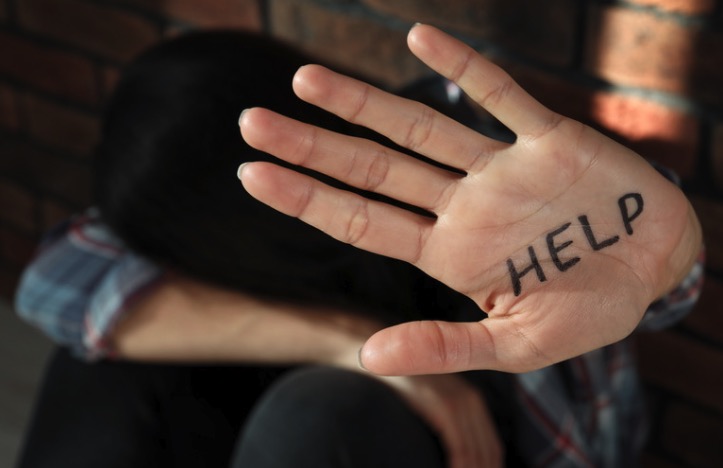
One of the most dangerous myths about stalking is that it isn’t serious unless physical harm has already occurred. Many victims are told:
“Just block them.”
“They’re just obsessed.”
“If they haven’t hurt you, there’s nothing we can do.”
The gaslighting is real. This dismissive response leaves victims feeling invisible and unsupported, often forcing them to be the ones that have to change their routines, job, home, and lives just to stay safe. For families of missing or murdered loved ones, stalking is frequently a piece of the story that only becomes clear after tragedy strikes.
Advocacy means recognizing stalking for what it actually is: a crime that will thrive when it is ignored. These people feel like they can get away with it if they aren't physically hurting anyone but stalking is a crime in itself.

Stalking in the Digital Age
Technology has transformed how stalking occurs. Digital stalking which is usually called cyberstalking allows perpetrators to monitor, harass, and intimidate victims 24/7. Fake accounts, location sharing, spyware, and data leaks can make escape feel impossible. If you haven't seen the documentary Unknown Number: The High School Catfish I cannot recommend it enough. This is an insane story and shows how far a person will go to stalk and victimize a person. No spoilers but I will say it is wild.
Advocacy today must include education around digital safety, stronger laws addressing technology-facilitated abuse, and training for law enforcement and service providers to recognize these patterns early.
What Advocacy Looks Like
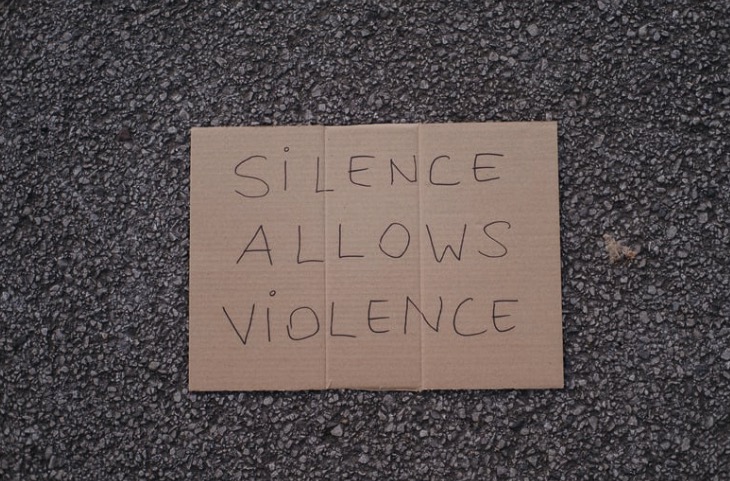
AdvocacyCon exists because silence helps harm continue. This month, advocacy can look like:
Believing survivors when they say they are afraid
Documenting patterns, not isolated incidents (if you feel unsafe at all, document it)
Supporting legislation that strengthens stalking laws and victim protections
Educating communities about warning signs and escalation risks
Centering families and victims in conversations about justice and prevention
It also means creating spaces like AdvocacyCon where professionals, families, nonprofits, and advocates can collaborate, learn, and push for change together.
Resources
VictimConnect Resource Center – Confidential referrals and support for all crime victims (call or text): 1-855-4VICTIM (1-855-484-2846); https://victimconnect.org/
National Domestic Violence Hotline – Support, safety planning, and resources (call or chat): 1-800-799-7233 or text START to 88788; https://www.thehotline.org/
RAINN / National Sexual Assault Hotline – Confidential support (call/chat): 1-800-656-4673; https://www.rainn.org/
StrongHearts Native Helpline – Culturally grounded support for Native Americans & Alaska Natives (call/text): 1-844-762-8483; https://strongheartshelpline.org/
Stalking, Prevention, Awareness & Resource Center (SPARC) – Training, awareness tools, and resources: https://www.stalkingawareness.org/